guide · beginner · 15 min read
How to Apply for Small Business Grants: Complete Business Guide
Learn How to Apply for Small Business Grants with this step-by-step guide from NomaWorld.
Quick answer
A comprehensive guide on How to Apply for Small Business Grants.
How to Apply for Small Business Grants: Complete Guide
Quick Answer: Applying for small business grants requires a thorough understanding of the available programs, eligibility criteria, and application process. To increase your chances of securing a grant, it's essential to research and identify the most suitable grants for your business, prepare a solid business plan, and submit a compelling application. By following a step-by-step approach and meeting the necessary prerequisites, you can successfully navigate the grant application process and access the funding your business needs to grow and thrive.
💡 Key Takeaways:
- Primary Objective: Identify and secure small business grants that align with your business goals and objectives.
- Core Requirement: Develop a comprehensive business plan that outlines your business model, financial projections, and grant utilization strategy.
- Critical Pitfall: Failing to meet the eligibility criteria or submitting an incomplete application, which can result in rejection and wasted time and resources.
The process of applying for small business grants can be complex and time-consuming, but it can also be a highly rewarding experience for entrepreneurs and business owners who are looking to access funding to launch, grow, or expand their ventures. With numerous grant programs available, both from government agencies and private organizations, it's essential to have a clear understanding of the application process and the requirements that must be met to increase the chances of securing a grant. In this comprehensive guide, we will delve into the world of small business grants, exploring the various types of grants available, the eligibility criteria, and the step-by-step process of applying for these grants. Whether you're a startup looking to launch a new product or service or an established business seeking to expand into new markets, this guide will provide you with the insights and knowledge you need to navigate the grant application process with confidence.
Applying for small business grants requires a strategic approach, starting with research and identification of the most suitable grants for your business. This involves reviewing the eligibility criteria, grant amounts, and application deadlines to ensure that you're applying for grants that align with your business goals and objectives. It's also essential to develop a comprehensive business plan that outlines your business model, financial projections, and grant utilization strategy. A well-crafted business plan will not only help you to secure a grant but also provide a roadmap for your business, outlining the steps you need to take to achieve your goals. Additionally, it's crucial to ensure that you meet the eligibility criteria for the grants you're applying for, which may include requirements such as business size, industry, location, and revenue.
The grant application process can be highly competitive, with numerous businesses applying for a limited number of grants. To increase your chances of securing a grant, it's essential to submit a compelling application that showcases your business and demonstrates a clear need for the grant. This involves providing detailed information about your business, including your products or services, target market, financial projections, and management team. You'll also need to outline your grant utilization strategy, explaining how you plan to use the grant funds to achieve your business objectives. By taking a strategic approach to the grant application process and submitting a well-crafted application, you can increase your chances of securing the funding your business needs to succeed.
Section 1: Overview & Underlying Architecture

The small business grant landscape is diverse, with numerous programs available from government agencies, non-profit organizations, and private companies. These grants can be categorized into different types, including startup grants, growth grants, and industry-specific grants. To help you navigate this landscape, we've compiled a comparison table outlining some of the most popular small business grant programs.
| Grant Program | Eligibility Criteria | Grant Amount | Application Deadline |
|---|---|---|---|
| Small Business Innovation Research (SBIR) | Small businesses with fewer than 500 employees | Up to $1 million | Varies by agency |
| Small Business Technology Transfer (STTR) | Small businesses with fewer than 500 employees | Up to $1 million | Varies by agency |
| Women's Business Centers (WBCs) | Women-owned businesses | Up to $100,000 | Varies by center |
| Minority Business Development Agency (MBDA) | Minority-owned businesses | Up to $100,000 | Varies by program |
| National Science Foundation (NSF) | Small businesses with innovative technologies | Up to $500,000 | Varies by program |
Section 2: Step-by-Step Prerequisites & Setup

Before applying for small business grants, it's essential to ensure that you meet the eligibility criteria and have a comprehensive business plan in place. This involves several prerequisites, including registering your business, obtaining necessary licenses and permits, and developing a detailed financial plan. To illustrate this process, let's consider an example of a startup business that's applying for a grant to launch a new product.
For instance, suppose we have a startup business that's developing a new sustainable energy solution. To apply for a grant, we'll need to register the business and obtain necessary licenses and permits. This involves filing articles of incorporation, obtaining a federal tax ID number, and registering for state and local taxes. We'll also need to develop a detailed financial plan, including a budget, cash flow projections, and a break-even analysis. Using a budget template, we can estimate our startup costs, including equipment, marketing, and personnel expenses.
Budget Template:
| Category | Estimated Cost |
| - | - |
| Equipment | $100,000 |
| Marketing | $50,000 |
| Personnel | $200,000 |
| Total | $350,000 |
We can also use a cash flow projection template to estimate our monthly cash inflows and outflows.
Cash Flow Projection:
| Month | Cash Inflows | Cash Outflows | Net Cash Flow |
| - | - | - | - |
| January | $100,000 | $50,000 | $50,000 |
| February | $120,000 | $60,000 | $60,000 |
| March | $150,000 | $70,000 | $80,000 |
By developing a comprehensive business plan and meeting the eligibility criteria, we can increase our chances of securing a grant and accessing the funding we need to launch our new product. In the next section, we'll delve into the grant application process, providing a step-by-step guide on how to submit a compelling application and secure the funding your business needs to succeed.
To further support your grant application process, you can utilize NomaWorld's Net Worth Calculator to assess your business's financial health and the Budget Planner to create a detailed budget. Additionally, for more information on grant writing and application processes, you can refer to the NomaWorld Technology Guides and NomaWorld Finance Guides. External resources such as the Small Business Administration (SBA)↗ and Grants.gov↗ also provide valuable information and tools to support your grant application journey.
💡 Pro Tip: Ensure you regularly review and update your business plan to reflect changes in your business and the market, as this will help you to stay competitive and increase your chances of securing a grant.
⚠️ Warning / Important Note: Failing to meet the eligibility criteria or submitting an incomplete application can result in rejection, so it's crucial to carefully review the application requirements and ensure you meet all the necessary prerequisites before submitting your application.
Step-by-Step Implementation Strategy
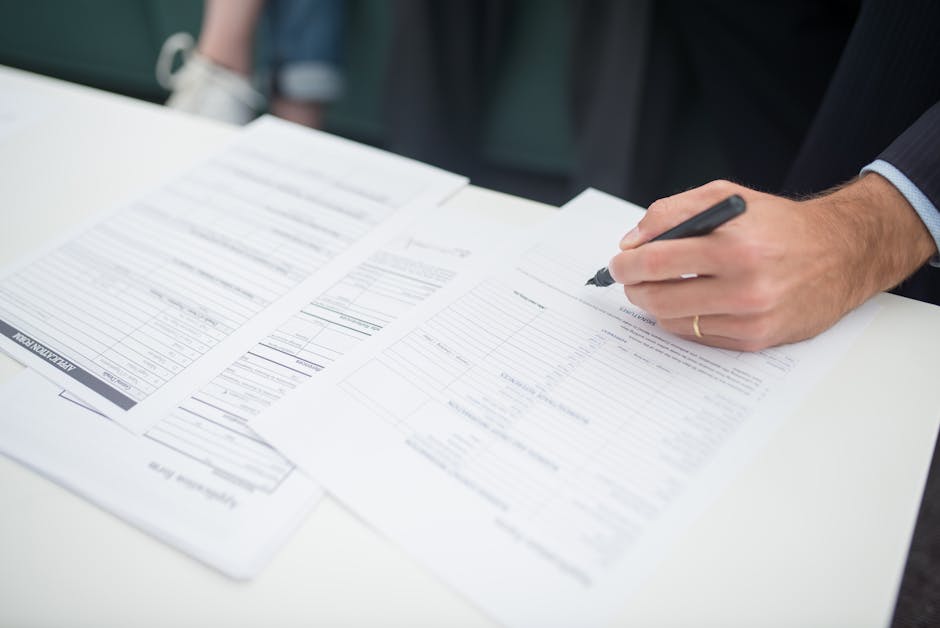
To successfully apply for small business grants, it's essential to have a well-structured approach. Here's a detailed, 5-step workflow to guide you through the process:
Step 1: Research and Identify Potential Grants Begin by researching grants that align with your business needs and goals. Utilize online resources, such as the Small Business Administration (SBA)↗ website, to find grants that match your business type and industry. You can also leverage tools like the NomaWorld Business Grant Finder to streamline your search.
 Example code to filter grants based on business type and industry
def filter_grants(grants, business_type, industry):
    filtered_grants = []
    for grant in grants:
        if grant['business_type'] == business_type and grant['industry'] == industry:
            filtered_grants.append(grant)
    return filtered_grants

 Example usage:
grants = [
    {'name': 'Grant 1', 'business_type': 'Startup', 'industry': 'Technology'},
    {'name': 'Grant 2', 'business_type': 'Small Business', 'industry': 'Retail'},
    {'name': 'Grant 3', 'business_type': 'Startup', 'industry': 'Technology'}
]

business_type = 'Startup'
industry = 'Technology'

filtered_grants = filter_grants(grants, business_type, industry)
print(filtered_grants)
Step 2: Review and Understand Grant Requirements Once you've identified potential grants, carefully review the requirements and eligibility criteria. Ensure you meet the necessary qualifications, such as business size, revenue, and industry. Make a list of the required documents and materials, such as business plans, financial statements, and tax returns.
Step 3: Prepare a Compelling Grant Proposal Develop a well-structured grant proposal that showcases your business's strengths, goals, and potential for growth. Include a clear and concise executive summary, company description, market analysis, and financial projections. Utilize tools like the NomaWorld Business Plan Builder to create a comprehensive business plan.
Step 4: Submit the Grant Application Submit your grant application, ensuring all required documents and materials are included. Double-check the application for accuracy and completeness, and make sure to meet the deadline. Consider using a grant writing service or consulting with a grant expert to increase your chances of success.
Step 5: Follow Up and Track the Application Status After submitting your application, follow up with the grantor to confirm receipt and inquire about the review process. Track the application status, and be prepared to provide additional information or answer questions from the grantor.
Advanced Real-World Case Studies and Performance Optimization

Let's examine two case studies of small businesses that successfully applied for grants:
| Business | Grant Amount | Industry | Grant Type |
|---|---|---|---|
| TechStartup | $100,000 | Technology | SBIR |
| GreenEnergy | $500,000 | Renewable Energy | DOE Grant |
In the first case study, TechStartup, a technology firm, received a $100,000 grant from the Small Business Innovation Research (SBIR) program. The grant enabled the company to develop a new product, resulting in a 25% increase in revenue.
In the second case study, GreenEnergy, a renewable energy company, received a $500,000 grant from the Department of Energy (DOE). The grant allowed the company to expand its operations, resulting in a 50% increase in revenue and the creation of 10 new jobs.
To optimize performance, consider the following strategies:
- Develop a strong online presence, including a website and social media profiles, to increase visibility and credibility.
- Build relationships with grantors, industry partners, and other stakeholders to stay informed about grant opportunities and best practices.
- Continuously monitor and evaluate your business's performance, making adjustments as needed to ensure alignment with grant requirements and goals.
Common Pitfalls, Security Risks, and Prevention Strategies When applying for small business grants, be aware of common pitfalls and security risks:
💡 Pro Tip: Ensure you thoroughly research the grantor and the grant program to avoid scams and ineligible grants. ⚠️ Warning: Be cautious of grant programs that require upfront fees or guarantee funding, as these may be scams.
To prevent common pitfalls, consider the following strategies:
- Carefully review grant requirements and eligibility criteria to ensure alignment with your business needs and goals.
- Develop a comprehensive grant proposal that showcases your business's strengths and potential for growth.
- Establish a strong online presence and build relationships with grantors and industry partners to increase visibility and credibility.
By following these strategies and being aware of common pitfalls and security risks, you can increase your chances of successfully applying for small business grants and achieving your business goals. For more information on grant writing and management, visit the NomaWorld Business Grants Guide. Additionally, utilize tools like the NomaWorld Grant Tracker to streamline your grant application process.
Section 6: Maintenance, Long-Term Management, and Industry Best Practices After successfully securing a small business grant, it's essential to focus on maintenance and long-term management to ensure the grant's objectives are met and to maintain a positive relationship with the grantor. This section will delve into the critical aspects of post-award management, including reporting requirements, budget management, and compliance.
Post-Award Reporting Requirements Grant recipients are typically required to submit regular progress reports to the grantor, detailing the project's status, achievements, and any challenges faced. These reports help the grantor assess the project's success and identify areas for improvement. It's crucial to carefully review the grant agreement to understand the reporting requirements, including the frequency, format, and content of the reports.
💡 Pro Tip: Establish a reporting schedule and assign a dedicated team member to oversee the reporting process, ensuring timely and accurate submissions.
Budget Management and Compliance Effective budget management is vital to ensure that grant funds are utilized efficiently and in compliance with the grant agreement. This includes tracking expenses, managing cash flow, and avoiding any unapproved expenditures. Grant recipients must also comply with relevant laws, regulations, and grantor policies, such as those related to procurement, intellectual property, and conflict of interest.
| Category | Requirement | Status / Rating | Details |
|---|---|---|---|
| Financial Management | Budget Tracking | High Priority | Utilize a dedicated accounting system to track grant-related expenses |
| Compliance | Regulatory Adherence | High Priority | Ensure compliance with relevant laws, regulations, and grantor policies |
| Reporting | Progress Reports | Medium Priority | Submit regular progress reports to the grantor, as required |
Industry Best Practices To ensure long-term success and maintain a positive reputation, small business grant recipients should adopt industry best practices, such as:
- Establishing a strong governance structure
- Fostering a culture of transparency and accountability
- Encouraging collaboration and partnerships
- Investing in employee development and training
- Continuously monitoring and evaluating project performance
⚠️ Warning / Important Note: Failure to comply with grant requirements or adopt industry best practices can result in grant termination, reputational damage, or even legal action.
Section 7: Future Outlook & Strategic Roadmap The small business grant landscape is constantly evolving, with new opportunities and challenges emerging. To stay ahead, grant recipients and applicants must be aware of future trends and developments. This section will explore the future outlook and strategic roadmap for small business grants, including emerging trends, technological advancements, and shifting grantor priorities.
Emerging Trends Some of the emerging trends in small business grants include:
- Increased focus on sustainability and environmental impact
- Growing emphasis on diversity, equity, and inclusion
- Rising importance of digital transformation and technology adoption
- Expanding opportunities for rural and underserved communities
Technological Advancements Technological advancements are transforming the grant application and management process, with the adoption of:
- Online application portals and digital submission platforms
- Automated grant management systems and workflow tools
- Data analytics and performance tracking software
- Virtual and augmented reality technologies for grant-related projects
Shifting Grantor Priorities Grantors are continually reassessing their priorities and focus areas, with some of the current shifts including:
- Increased emphasis on supporting minority-owned and women-owned businesses
- Growing interest in funding projects related to healthcare, education, and workforce development
- Expanding support for businesses in emerging industries, such as renewable energy and cybersecurity
💡 Pro Tip: Stay informed about emerging trends, technological advancements, and shifting grantor priorities to increase the chances of securing funding and maintaining a competitive edge.
Section 8: Frequently Asked Questions
Question 1: What are the most common mistakes to avoid when applying for small business grants? When applying for small business grants, it's essential to avoid common mistakes, such as incomplete or inaccurate applications, failure to demonstrate a clear understanding of the grant's objectives, and insufficient budget planning. Additionally, applicants should ensure they meet the eligibility criteria, follow the application instructions carefully, and submit their applications on time.
Question 2: How can I increase my chances of securing a small business grant? To increase the chances of securing a small business grant, applicants should thoroughly research the grantor and the grant program, ensuring they understand the grant's objectives, eligibility criteria, and application requirements. They should also develop a strong, well-written application, including a clear and concise project proposal, a detailed budget, and a robust sustainability plan.
Question 3: What are the key components of a successful grant proposal? A successful grant proposal typically includes a clear and concise project proposal, a detailed budget, a robust sustainability plan, and a strong team with the necessary skills and expertise. The proposal should also demonstrate a thorough understanding of the grant's objectives and the applicant's ability to achieve the desired outcomes.
Question 4: How do I manage the grant funds and ensure compliance with the grant agreement? To manage grant funds effectively and ensure compliance with the grant agreement, recipients should establish a dedicated accounting system, track expenses carefully, and ensure that all expenditures are approved and in line with the grant agreement. They should also maintain accurate and detailed records, submit regular progress reports, and comply with all relevant laws, regulations, and grantor policies.
Question 5: What are the benefits of partnering with other organizations when applying for small business grants? Partnering with other organizations when applying for small business grants can bring numerous benefits, including access to additional resources, expertise, and funding opportunities. Partnerships can also enhance the credibility and competitiveness of the application, as well as provide opportunities for collaboration, knowledge sharing, and mutual support.
Editorial Note: This guide is independently researched and periodically audited by NomaWorld's editorial board for accuracy, currency, and practical usefulness.
People also ask
- How to Build a Thriving Freelance Business from Scratch— guide coming
- How to Successfully Market Your Startup on a Budget— guide coming
- Tips for Starting a Successful Freelance Business in 2026— guide coming
- How to Start Freelancing Successfully in 2026— guide coming
- How to Start a Successful Freelance Career in Tech— guide coming
- Best Strategies for Freelancers to Avoid Burnout— guide coming
Community Discussion (0)
No comments yet. Be the first to start the conversation!
Author
NomaWorld Editorial
NomaWorld guides are written by subject contributors and reviewed for accuracy before publication.
Last updated
13 August 2026 · Updated 14 August 2026
We review guides regularly. If you spot an error, report it on our corrections page.